Showing posts with label devon. Show all posts

Friday, 29 July 2011

on the allotment

In England, most people's homes don't sit on enough land to support a large fruit and vegetable garden. As early as 1000 years ago, people were clearing and cultivating pieces of land held in common: these were the first allotments - land that is owned by the government, local authority or parish and is rented to individuals who wish to grow food upon it. In the 17th, 18th and 19th centuries, allotments were provided for the landless poor who might otherwise die of starvation. Food shortages during the First and Second World Wars once again proved the importance of these parcels of earth - an estimated 1.3 million tonnes of food were produced on allotments during the 'Dig for Victory' campaign of WWII. Through the 1980s and '90s, high housing and land costs led to a decline in the number of plots available, and 'growing your own' fell out of fashion. However, recent concern about genetically modified produce, a desire to eat more organic, locally-produced food and a yearning for the simple life have all led to an upsurge in the provision and use of allotments.
We took on our first (and second!) allotment plots last March. Our two plots sit alongside each other at the bottom of the hill. We had a choice of plots throughout the field, but I chose these because they get little passing traffic; I didn't want to become famous in the village for my inability to build a bean wigwam or grow onions in straight lines! Back in wet, gray March, I had visions of the whole family, elbow-deep in soil, munching our way through various heritage varieties of fruit and veg that are normally too expensive for us to buy in the shops. I envisaged row upon row of Kilner jars, full of home-canned produce. Yes. Then I came to my senses and realised I would be happy to just produce something! Somethat that lived and that we could eat.
Well. Call it beginner's luck, but we haven't done too badly so far. We started with the leeks we inherited from the former allotmenteer. We've savoured the sweetest, juiciest, reddest strawberries; picked blackcurrants till our fingernails were permanently stained purple; pulled more radishes than one family could possibly eat; popped pod after pea pod in our mouths and freshened our breath with tickly fronds of fennel (or, as the girls call it, 'children's chewing gum'). In short, we done good.
Taking care of a patch of dirt has proved much harder work than I - who have only ever grown food in boxes, pots and bags on concrete patios - ever imagined. Digging through wet clay for ten inches' worth of dandelion root is not exactly fun. But this little rectangle of earth has also proved to be very good for the soul. I have spiked my anger and hurt into icy mud after a particularly unpleasant conversation. I have wondered at the tenacity of pigeons and spent weeks trying to outsmart the crows, who seemed to beat me to every ripening strawberry in the early days of June. I have observed a four-year-old struggle, heave and eventually conquer the weight and sloshingness of a full watering can. I have chuckled at the suprised delight on the face of my littlest as she pulled her first radish from the dirt. I have sighed, knowing childhood is dancing away before my very eyes, as I watched my eldest daughter carefully plant her own tiny seeds, tucking them into their earthy beds and whispering prayers for growth. I have loved my husband more fully, knowing that as he dug potatoes from the soil, he was recollecting a time when he followed at the heels of his grandfather, himself a potato farmer. I have swelled with the pride of a new mother as I've harvested peas, beans, chard and beets: I made you. I grew you.


Many months ago, I declared that my word of this year would be 'grow'. We are indeed growing so very much in this rectangle at the bottom of the field on a hill.


Saturday, 16 April 2011

this moment: detour

A Friday ritual. A single photo - no words - capturing a moment from the week a couple of weeks ago. A simple, special, extraordinary moment. A moment I want to pause, savor and remember.


inspired by amanda soule


Friday, 1 April 2011

recipe: wild garlic pesto

Things have been a little quiet around here as we have navigated our way through a sea of illness. A very nasty headcold has worked through the children and me, and has resulted in a chesty cough that has kept us from work and school for a few days. We've had an amazingly healthy winter season, so this first-week-of-Spring sickness caught us by surprise.
Last week, though, just before we started dropping like flies, we went on our first foraging adventure of the new season. Wild garlic grows abundantly across Devon - our wet, warm climate and forested areas create ideal conditions for this pungent relative of cultivated garlic to thrive. For the next month or so, wherever you go in our area you will be overwhelmed by the heady scent. Towards the end of the garlic season, forest floors will be carpeted in the spangled white flowers that dance above the long green leaves. Wild greens are packed full of vitamins and minerals - they are generally even more healthy for us than cultivated greens.
We took a bag to a local spot away from roads to collect the first fresh garlic leaves to make pesto.

If you don't have access to wild garlic, you could substitute rocket, chard, dandelion or any other green...just add more garlic cloves to the mix. I use a hand blender to make mine, but you could just as easily use a food processor or a standard blender, or, if you have the time and the muscle, you could make an even more flavoursome version using a pestle and mortar.
Wild Garlic Pesto

large bunch of wild garlic leaves
1 cup nuts (walnuts, almonds, hazelnuts, pecans, pinenuts or any combination of nuts you like)
3 cloves of cultivated garlic
3/4 cup of extra virgin olive oil
1/4 - 1/2 teaspoon of sea salt (taste as you season; you will need more or less depending on how salty your cheese is)
1 cup of freshly grated parmesan cheese (pecorino works fine, and is a little less expensive)
Wash the garlic well and pat dry - I put all the leaves in a big bowl of water, agitate, drain and repeat. Don't collect garlic leaves near roads or other sources of pollution and look for patches that are away from the edges of paths (you don't want leaves that have been urinated on by passing dogs!). Put the nuts on a baking tray and place in a medium oven for 5-10 minutes, or until they just start to colour (watch them - the moment you look away they will burn!). Remove from oven and allow to cool for a few minutes. Meanwhile, put garlic leaves and garlic cloves in your blender jug with 1/4 tsp of salt and 1/4 cup olive oil. Blend for a few seconds to begin breaking leaves down. Add nuts and another 1/4 cup oil and blend to a smooth paste. Add more olive oil as you blend to keep a loose paste consistency. When evenly blended, stir in the grated cheese. Add more salt if necessary. Makes approximately two cups.
You can now either decant into a very clean jar, pressing pesto down to remove any air pockets, and top with one centimeter of olive oil (the oil will exclude oxygen from the pesto, preserving it longer), or spoon into an ice cube tray and freeze. The fresh pesto will keep for up to three weeks in the fridge (perhaps longer if you ensure it has a layer of olive oil) or 6 months in the freezer (heck, it'll probably keep forever in the freezer!). Freezing it in cubes means you can just take out what you need.
We like our pesto on hot pasta with chopped tomatoes and white beans or smeared over pizza bases and topped with goats cheese. The fresh, uncooked pesto is quite spicy, but once cooked through becomes mild. Leftover fresh leaves can go into your salad to be eaten raw (the flowers look and taste beautiful, too), can be wilted through hot pasta or chopped and sprinkled over scrambled eggs.

Just make sure you're not planning any passionate kisses after eating this!

Sunday, 6 March 2011

late winter blues

I keep hearing voices. Tiny whispers.

'Spring.'

'It's coming.'

'Wake up.'

The view from my kitchen sink is changing every day...our little raised bed is bestowing gentle surprises each morning. This new-to-me garden is slowly revealing its secrets...a sprinkling of snowdrops, a cluster of primroses, tall, proud daffodils and today: a hellebore! The previous owners weren't gardeners - that much is certain - but it was their first home together and I can see that they did plant Springtime packages of love into this earth.

However, another gray day greeted us this morning. A veil of ice lay glittering on my car's windscreen at dawn. Winter isn't over yet.

And I've got the blues.
a hat to keep my beloved's ears warm

legwarmers to make us think of Spring rainbows

wondering where the sky ends and the sea begins at this beach

well-shod creekside knitting

stitching up a little national pride

bonny smiles from my girl who never feels the cold

little gifts from a very experienced quilter

On second thought, there's nothin' wrong with a little dose of the blues. Spring, take all the time you need.

Friday, 25 February 2011

this moment: life's a beach

A Friday ritual. A single photo - no words - capturing a moment from the week a couple of weeks ago. A simple, special, extraordinary moment. A moment I want to pause, savor and remember.

inspired by amanda soule

Friday, 19 November 2010

this moment : checking out our new back garden!

A Friday ritual. A single photo - no words - capturing a moment from the week a couple of weeks ago. A simple, special, extraordinary moment. A moment I want to pause, savor and remember.

inspired by amanda soule

Monday, 11 October 2010

got apple juice?

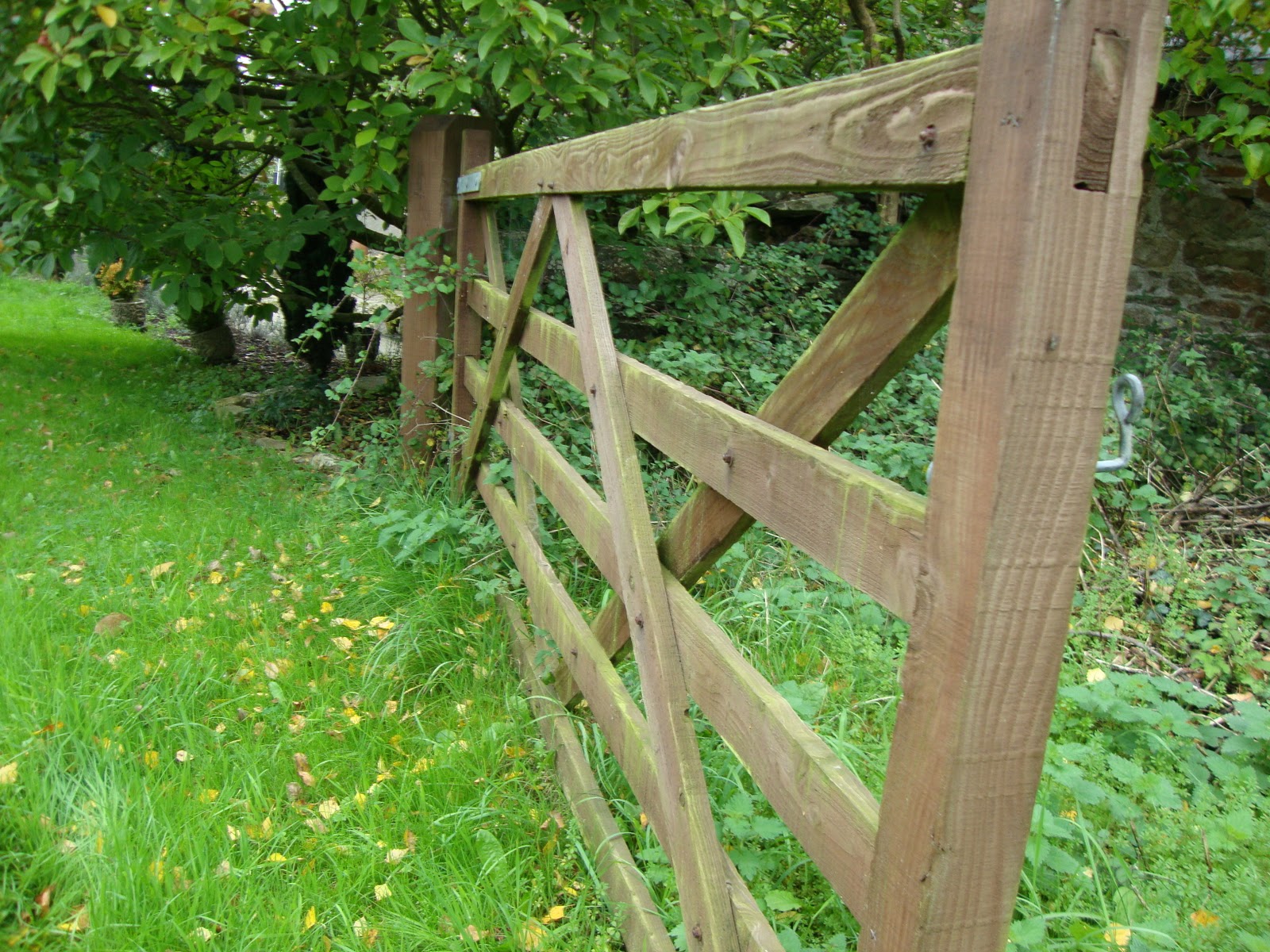
Go through the gate...

...with a burlap sack...

 ...and fill it with as many apples as you can carry.

 Take your apples and your crate of well-washed wine bottles to the place...

 ...where the magic happens.

Get your apples ready...

...for sorting and washing.

And when they are glistening wet and squeaky clean, feed them,

one by one or in handfuls, to the Gobbler.

A few may tumble to the ground. Never mind.

The important thing is the pulp the Gobbler spits out,

for that is what goes in the press, is layered and stacked, and is then weighted down.

Great strength (or just great determination) squeezes every last drop of juice from the pulp.

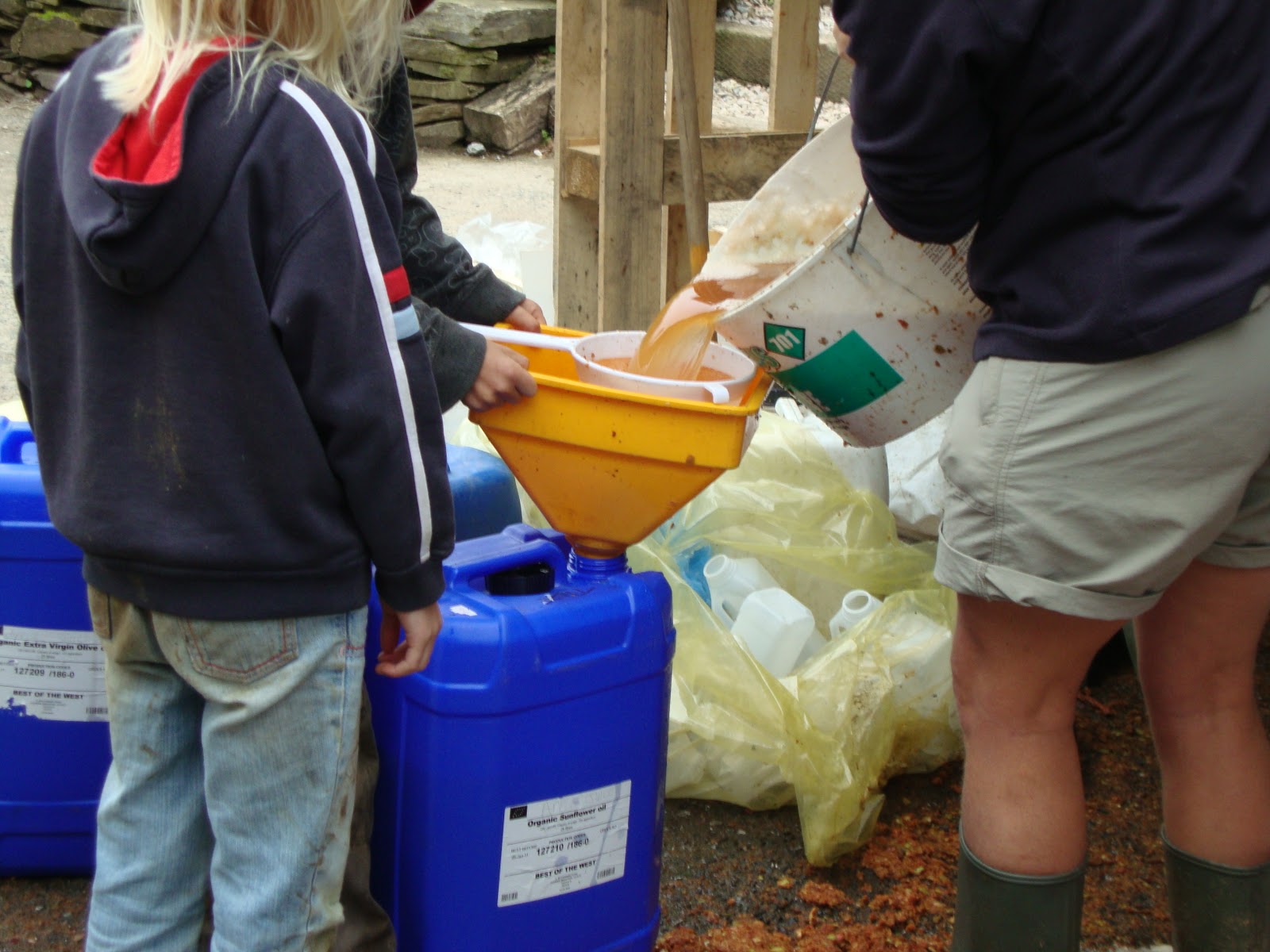
Cloudy amber streams forth, to be collected in waiting buckets...

...or in waiting cups. First press. Sweet nectar. Liquid gold.

Don't worry - there's enough to go round.

You may bring apples enough to fill jugs and barrels.

 Or you may only fill bottles.

The fire is lit; the cauldrons are filled.

 Crate by crate, immerse the bottles in the boiling water. Four minutes at 80C: Pasteurisation.

While the bottles cool, sweep, brush and wash away all traces of your day's work.

And if you can't be bothered with all that effort, you could always just buy a bottle or two.